US economics, inflation, jobs and the Fed
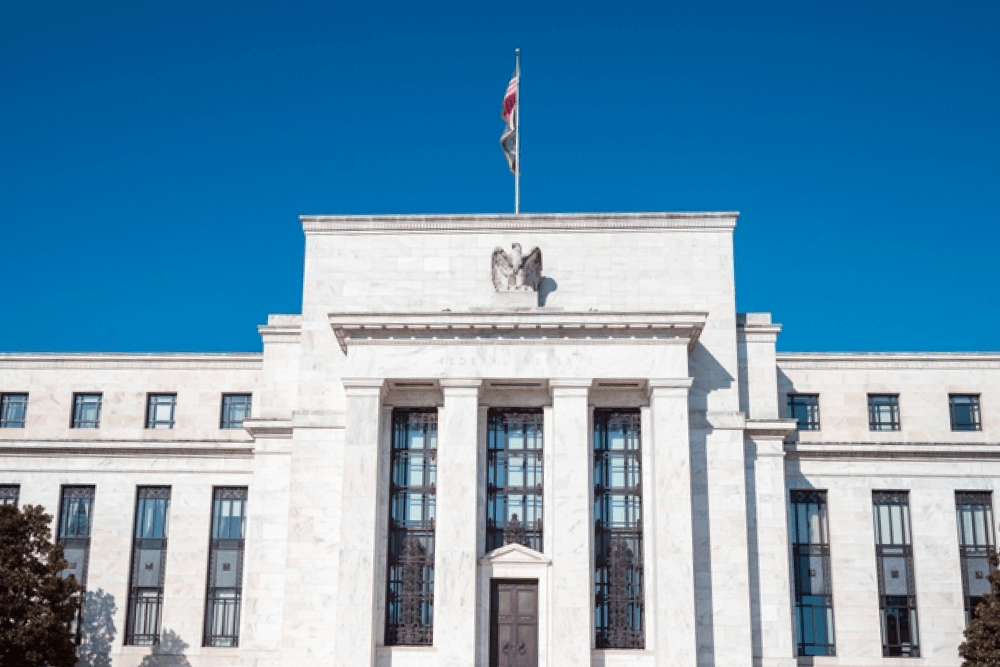
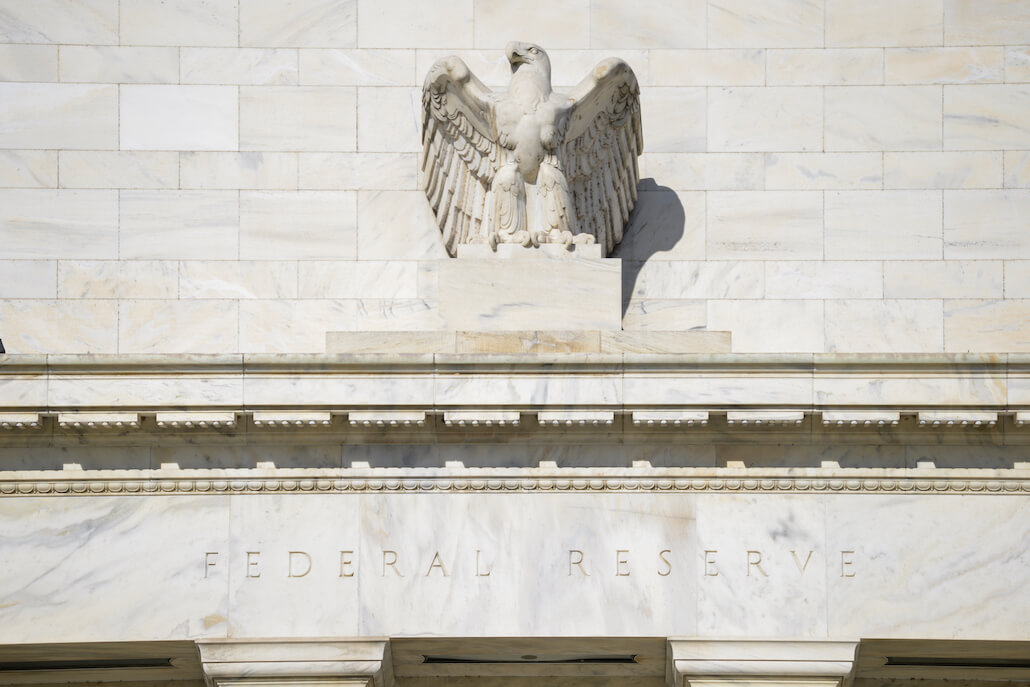
The Federal Reserve appears to be in no rush to change the benchmark short-term interest rate according to Value Line. Although the minutes from the March Federal Open Market Committee (FOMC) meeting left the possibility of one quarter-point cut later this year on the table, a near-term reduction is unlikely, given the ongoing developments in the Middle East, the recent reacceleration in inflation, and the better-than-expected March jobs report. At 3.50% to 3.75%, the Fed interest rate looks close to neutral, which is the theoretical rate that neither stimulates nor restricts economic growth.
Then there is the forthcoming change of leadership at the central bank. This doesn’t look like it will be a smooth transition, with President Trump’s appointee Kevin Warsh for Fed Chairman facing a tough — and perhaps lengthy — confirmation process on Capitol Hill. The duration of these proceedings could delay any possible monetary policy decisions.
The U.S. economy seems to be holding up well, despite ongoing headwinds. Those have come in the form of higher energy costs and increased trade tariffs. However, the prevailing sentiment on Wall Street is that the recent spike in oil prices could prove to be short-lived if the fighting in the Middle East ceases. The consumer sector, which should be helped by increased tax refunds this year, remains resilient. On point, March retail sales rose an outsized 1.7% on a month-to-month basis, though that partly reflected energy prices. Manufacturing activity is improving, as noted by the recent positive Fed surveys on activity in New York and the greater Philadelphia area.
Global economy
The global economy continues to show resilience, with increasing signs that stress is building according to JP Morgan (JPM). After a sharp fall in March, a modest rebound in the April flash Purchasing Managers’ Indexes (PMIs) for developed markets (DM) is a relief. The output reading rose 0.4-pt in April 2026, and at 50.9 the series is in line with JPM’s current quarter forecast for trendlike DM GDP growth. Notably, the manufacturing output PMI more than reversed its March drop. At the same time, tech is still booming in Asia. Korea reported a near 7%ar (annual rate) jump in GDP last quarter, while a 4.5% March gain in Taiwan IP brings the quarterly gain to 60%ar. More broadly, EMAX tech exports soared over 100%ar in the three months to March.
The jump in the flash manufacturing PMIs came, however, with a statement suggesting that some of the strength in output and orders owed to precautionary front-loading ahead of any future disruptions. This is echoed by the PMIs showing a sharp rise in lead-times. Moreover, the flash services PMI tumbled — with a particularly large decline in the Euro area. And while US business sentiment has been improving of late, the same cannot be said elsewhere with large declines reported in Europe and Asia.
The Chinese economy continues to demonstrate resilience, despite the ongoing tensions in the Middle East, still elevated energy prices, and reduced oil supply. However, the global energy shock is starting to have an impact, as the domestic flight cancellation rate rose sharply from March. PPI inflation rose to positive territory earlier than we expected in March. Q1 imports rose 22.7% while exports experienced a sharper-than-expected slowdown, reducing the contribution of net trade to growth.
Stock market
First-quarter earnings season is in full gear. So far, the results have been very encouraging, with the majority of S&P 500 companies exceeding expectations. The continued double-digit pace of profit growth is providing support for equities at a time when market valuations are again looking extended.
Professor Siegel notes on the markets:
“This is not a fragile market levitating on hope alone. It is a market showing underlying buying power. During the conflict, equities sold off on the initial shock, but every credible hint of de-escalation produced a stronger rebound than the declines on bad news. That is classic bullish behavior, and it tells me the path of least resistance remains higher.
The markets are also supported by further liquidity and the rapid growth of deposits that I see in the money supply data. Higher defense spending — possibly on the order of $30 billion per month in added outlays tied to replenishment and military buildup — creates another near-term tailwind for nominal growth and profits. A combination of easing geopolitical stress, firmer fiscal spending, and still-strong money growth is a powerful support for equities. It also helps explain why the rebound has been led so forcefully by large-cap growth and the MAG 7, which operate independently from oil, though a continued decline in oil would broaden the rally and help value shares as well.
A bearish indicator is that consumer sentiment data are coming in at terrible levels. Consumer confidence was described as extraordinarily weak, at levels historically associated with recession. But I do not think the hard data validate that recession view. Weekly jobless claims remain in a benign range, ADP jobs data was characterized as strong, and while some real economy reports are mixed, there is still no evidence that the economy is cracking. I reiterate that any recession call has been premature, and I see nothing in the data that changes that view. Low confidence without labor-market deterioration is not enough to produce a downturn…
Equities still look better positioned than long-duration bonds. Earnings expectations call for better than 12% growth this quarter, and the S&P 500 is trading near 22 times earnings, which is not far from fair value. Valuations are no longer cheap, but they are also not extreme when set against resilient profits, secular AI demand, and a macro backdrop that is better than the pessimists continue to claim. The AI leaders still carry competitive risk — technological disruption can always reorder. Bottom line: easing of war fears removes the largest immediate downside tail risk, but the bigger story is that liquidity remains strong, the economy continues to avoid recession, and the market is acting like it wants to move higher. I would stay constructive on equities, while recognizing that a further retreat in oil could also improve the case for value and cyclicals. This is still a bullish market, not because all the risks are gone, but because the fundamental buying power underneath it remains very much intact.”
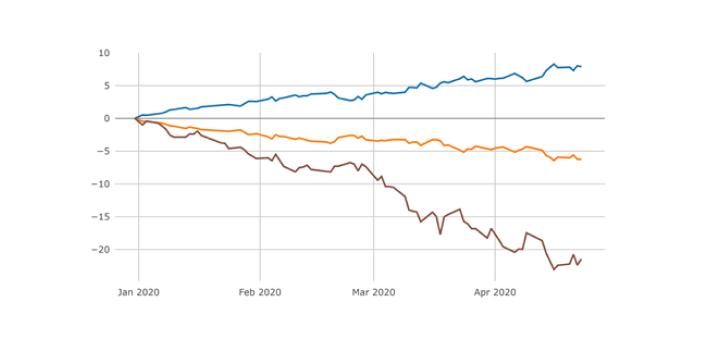
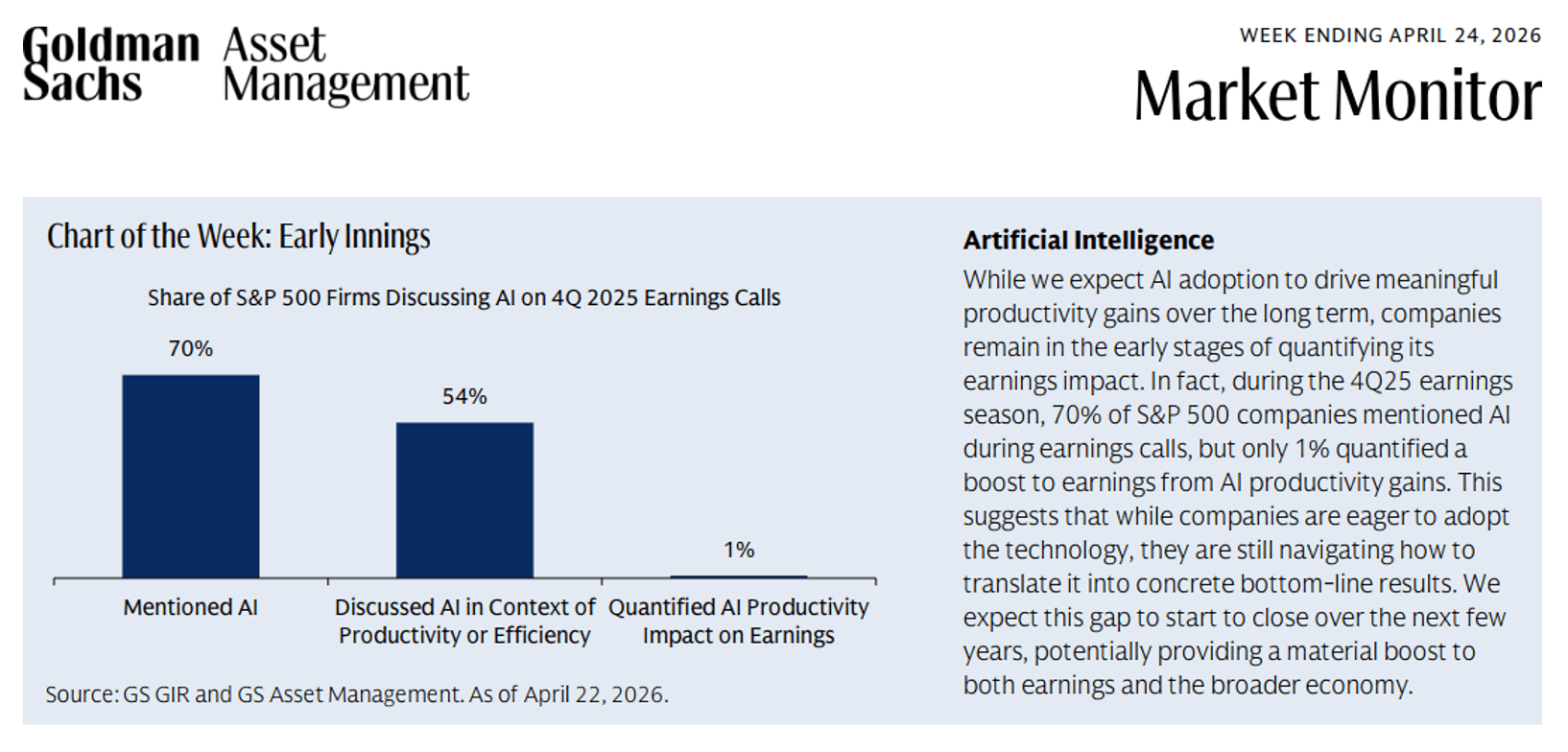
Goldman Sachs, in their Market Monitor publication, agree with Professor Siegel:
The information and opinions included in this document are for background purposes only, are not intended to be full or complete, and should not be viewed as an indication of future results. The information sources used in this letter are: WSJ.com, Jeremy Siegel, Ph.D. (Jeremysiegel.com), Goldman Sachs, J.P. Morgan, Empirical Research Partners, Value Line, BlackRock, Ned Davis Research, First Trust, Citi research, HSBC, and Nuveen.
IMPORTANT DISCLOSURE
Past performance may not be indicative of future results.
Different types of investments and investment strategies involve varying degrees of risk, and there can be no assurance that their future performance will be profitable, equal to any corresponding indicated historical performance level(s), be suitable for your portfolio or individual situation, or prove successful.
The statements made in this newsletter are, to the best of our ability and knowledge, accurate as of the date they were originally made. But due to various factors, including changing market conditions and/or applicable laws, the content may in the future no longer be reflective of current opinions or positions.
Any forward-looking statements, information, and opinions including descriptions of anticipated market changes and expectations of future activity contained in this newsletter are based upon reasonable estimates and assumptions. However, they are inherently uncertain, and actual events or results may differ materially from those reflected in the newsletter.
Nothing in this newsletter serves as the receipt of, or as a substitute for, personalized investment advice. Please remember to contact Signet Financial Management, LLC, if there are any changes in your personal or financial situation or investment objectives for the purpose of reviewing our previous recommendations and/or services. No portion of the newsletter content should be construed as legal, tax, or accounting advice.
A copy of Signet Financial Management, LLC’s current written disclosure statements discussing our advisory services, fees, investment advisory personnel, and operations are available upon request.
Investment advisory and financial planning services offered through Summit Financial, LLC., a SEC-Registered Investment Adviser, doing business as Signet Financial Management. The views and opinions expressed in this newsletter are solely those of the author and should not be attributed to Summit Financial, LLC., a SEC Registered Investment Adviser.