US economics, inflation, and the Fed
Inflation data signals were mixed this July according to Value Line. On the positive side, the Consumer Price Index (CPI) was relatively in line with the consensus forecast and overall benign. Conversely, the Producer Price Index (PPI) came in very hot, with the PPI and core PPI, which excludes the food and energy components, jumping 0.9% and 0.6%, respectively, on a month-to-month basis, suggesting that the Trump tariffs may be leading to an uptick in inflation at the wholesale level. However, it should be noted that the PPI tends to be a more volatile series of data, and a good deal of the July PPI increase came from the services side, which is little impacted by tariffs.
The labor market is holding up well. True, the nation created an estimated 73,000 jobs in July, well below the consensus forecast of 110,000. However, the unemployment rate held steady at 4.2%, a level indicative of near-full employment, and Value Line has not seen a notable uptick in corporate layoffs. In fact, initial weekly jobless claims in early August remained at a pace indicative of a tight labor market.
According to the Fed futures market, the odds of an interest-rate cut in September remain high.
Professor Siegel also points out:
“Chair Powell’s speech at Jackson Hole was a proper and long overdue pivot — and the markets immediately rejoiced. This was the dovish signal investors had been hoping for, and even stronger than I expected Powell to deliver. The Fed’s newfound willingness to “look through” tariff-induced inflation marks a major shift in policy tone, and I believe we are now firmly on a path toward easing, barring any major surprises. That’s excellent news for equities, housing, and rate-sensitive sectors.
It’s remarkable how openly Powell downplayed tariff inflation. After months of ambiguity, he finally acknowledged that these price increases are one-time tax and exogenous — just as I’ve argued for months. This matters because if the Fed is no longer chasing inflation driven by non-monetary forces, the focus naturally shifts to the labor market. And here, the evidence is mounting that the momentum is fading.”
Global economy
JP Morgan’s (JPM) 2025 growth forecasts have crept higher in recent months. The second quarter of 2025 GDP surprise was largely attributed to a slower-than-expected rollout of tariff hikes. As growth momentum holds firm at the start of this current quarter, the bank’s expectations of a sharp second half of 2025 downshift face a greater challenge. Recent upward revisions to the Euro area and Asia push JPM’s global third quarter of 2025 GDP growth forecast to 1.7% annual rate — 0.5%-pts higher than two months ago. This outcome would still represent below-trend growth, but the August flash DM PMI tells a different story. The survey rose for the fourth consecutive month with broad-based increases posted across countries and sectors. The survey tracks a 2% annual rate developed markets GDP growth, well above potential and our forecast for a sluggish 1.2% annual rate outcome.
A drag on US purchasing power and a front-loading hangover in Asia tech and China policy support are still in the pipeline. While JPM recognizes these drags, data points to stronger underlying demand momentum outside the US. Despite trade war concerns depressing sentiment, business spending outside the US has increased solidly this year, and EM capex (ex. China) is tracking an 8% annual rate pace of growth this quarter. Global inflation has remained at an elevated pace of 3% or higher. But an expected regional rotation looks to be taking hold as US core inflation firms and inflation elsewhere moderates.
The Euro area economy has expanded at a 1% annual rate so far this year, ex-Ireland, and a solid August PMI prompted JPM to revise up their 3Q growth forecast to that level. The EU-US trade deal implies a steep increase to a 16% effective rate on EU goods and the stronger euro is amplifying the structural headwinds on regional industry. But the shift in German fiscal policy, the possibility of faster disbursement of NGEU funds, and ongoing Spanish strength are generating additional lift. In all, JPM maintains a cautious forecast that growth will proceed close to its current 1% pace for some time to come.
Asia was expected to slow down sharply this quarter on a reversal of tariff-related export front-loading and a fading of China policy support. However, sustained sectoral exemptions on electronics and intra-regional tariff rate arbitrage are sustaining regional exports for now. Stronger global AI demand provides an additional foreign demand boost. July export data reflect this support and have broadly surprised to the upside. JPM have been raising their third quarter GDP forecasts recently for Malaysia and Korea.
Stock market
The second-quarter profits came in strong for the US businesses. Indeed, earnings growth for the S&P 500 companies was averaging nearly 12% for the period, easily exceeding prognostications. The new tariffs did not have as much of a negative impact on second-quarter results as feared but still may prove to be a headwind in the months ahead.
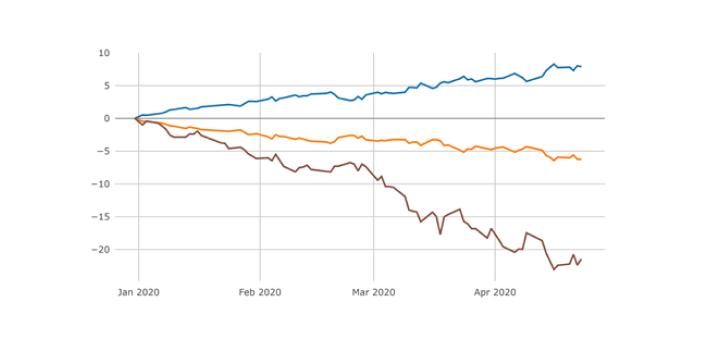
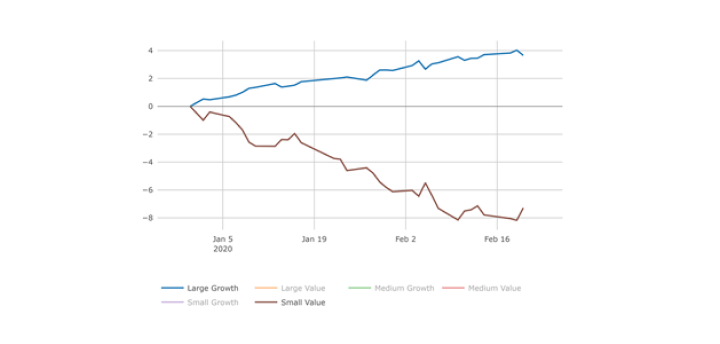
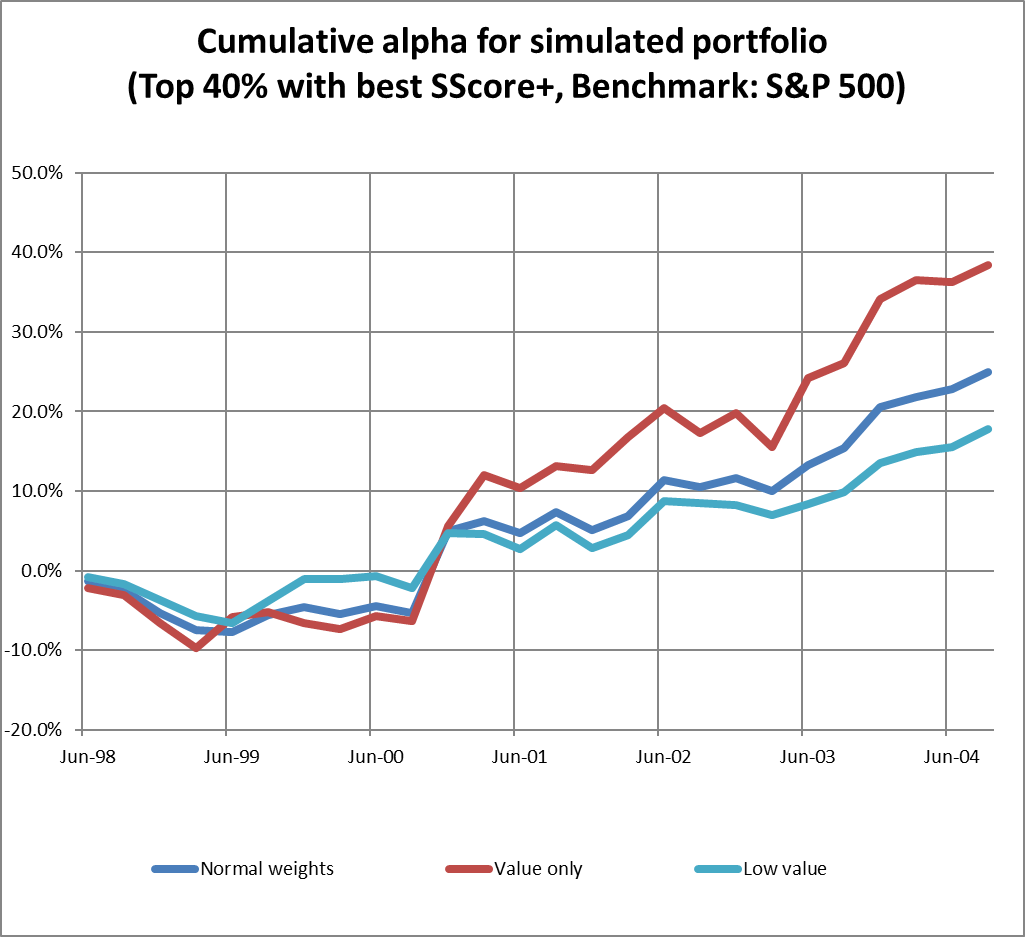
At Signet, we recently rebalanced our major actively managed equity strategies. We maintain our barbell approach, combining promising cyclical and defensive stocks and over-emphasizing more profitable companies. It makes sense to keep exposure to Large Growers of a GARP (growth at a reasonable price) nature (Technology, Communications, some Discretionary), which is the cohort of Large Growers outperforming their expensive peers. Their outperformance is justified by record profits and early adaptation of AI. Moreover, we like cyclicals at an attractive valuation level, and we find it appropriate to maintain a healthy exposure to Financials, Industrials, and Technology. We are deemphasizing Real Estate at the moment. We have warmed up to Utilities, since they will become beneficiaries from increased electricity consumption by data centers on the wave of cloud computing and AI. We maintain adequate exposure to healthcare – the sector proved to be a great hedge in times of higher volatility. So, in a nutshell, as the market turns from indiscriminative macro driven state to paying attention to individual company fundamentals (especially growth, profitability and growth prospects), it pays to be more selective in each economic sector.
The information and opinions included in this document are for background purposes only, are not intended to be full or complete, and should not be viewed as an indication of future results. The information sources used in this letter are: WSJ.com, Jeremy Siegel, Ph.D. (Jeremysiegel.com), Goldman Sachs, J.P. Morgan, Empirical Research Partners, Value Line, BlackRock, Ned Davis Research, First Trust, Citi research, HSBC, and Nuveen.
IMPORTANT DISCLOSURE
Past performance may not be indicative of future results.
Different types of investments and investment strategies involve varying degrees of risk, and there can be no assurance that their future performance will be profitable, equal to any corresponding indicated historical performance level(s), be suitable for your portfolio or individual situation, or prove successful.
The statements made in this newsletter are, to the best of our ability and knowledge, accurate as of the date they were originally made. But due to various factors, including changing market conditions and/or applicable laws, the content may in the future no longer be reflective of current opinions or positions.
Any forward-looking statements, information, and opinions including descriptions of anticipated market changes and expectations of future activity contained in this newsletter are based upon reasonable estimates and assumptions. However, they are inherently uncertain, and actual events or results may differ materially from those reflected in the newsletter.
Nothing in this newsletter serves as the receipt of, or as a substitute for, personalized investment advice. Please remember to contact Signet Financial Management, LLC, if there are any changes in your personal or financial situation or investment objectives for the purpose of reviewing our previous recommendations and/or services. No portion of the newsletter content should be construed as legal, tax, or accounting advice.
A copy of Signet Financial Management, LLC’s current written disclosure statements discussing our advisory services, fees, investment advisory personnel, and operations are available upon request.