US economics, inflation, jobs and the Fed
The Fed raised the benchmark short-term interest rate at its September meeting. The quarter-point increase, to 3.75%–4.00%, was the first move by the central bank since last December, when it cut the interest rate. Since then, a reacceleration in inflation, amplified by higher oil prices, has prompted the lead bank to change course. Inflation is still running above the Fed’s target rate of 2.0% according to Value Line. The August Consumer Price Index (CPI) and core CPI, the latter of which excludes food and energy components, increased 0.4% and 0.3%, respectively, on a month-to-month basis. From a one-year perspective, the CPI and core CPI rose 3.4% and 2.4%, respectively. The 12-month core figure was below forecast, which was encouraging. However, energy prices are on the rise again, and the resultant higher cost of oil will likely put upward pressure on prices in the coming months.
As Professor Siegel puts it:
“The strength of the economy is increasingly difficult to ignore. The latest retail sales report was particularly strong, with the control group pushing third-quarter GDP estimates higher. The Fed raised its growth forecast and lowered its year-end unemployment projection to 4.1% from 4.3%. That combination of stronger growth and persistent inflation explains why Warsh was willing to tighten policy. Now the most interesting question is whether October or December brings the next increase. My expectation is December. Raising rates just before the midterm election invites unnecessary political controversy, and the Fed has no need to do that unless the data become considerably hotter.”
Treasury security yields have climbed, with rates on the 10-year note recently topping 5.00%. Rising oil prices, along with broader inflation concerns, worries about the massive corporate debt issued to fund spending on artificial intelligence (AI) infrastructure, and the rising national debt level have weakened demand for bonds and pushed yields, which move inversely to price, to their highest levels since 2007.
Professor Siegel notes:
“Warsh attributed the rise in long-term yields primarily to strong economic growth, enormous AI-related investment and borrowing, and geopolitical inflation pressures. One notable omission was the federal budget deficit. Most economists discussing why the 10-year Treasury is near 5% would include the deficit and growing federal interest expense among the important factors pushing yields higher. Whether Warsh’s omission was intentional or not, it was striking.
There is also an important distinction between the impact of higher rates on the broader economy and their impact on the AI boom. Roughly $15 trillion of dollar-denominated loans are tied directly or indirectly to short-term rates. But I am less convinced that these rate hikes will materially derail AI infrastructure investment. In fact, AI itself is creating an unusual inflationary impulse. Memory and semiconductor prices are rising in areas where technological progress historically produced relentless price declines. Demand for computing power is simply overwhelming supply in parts of the technology complex.The longer-term effect should be precisely the opposite. AI should eventually generate productivity gains that lower costs and increase real output. Yet we have not yet seen those gains clearly in the productivity statistics. This reminds me of Robert Solow’s famous observation in the 1980s during the computer revolution that computers could be seen everywhere except in productivity statistics. Shortly thereafter, productivity accelerated sharply.”
Global economy
JP Morgan (JPM) notes that September moves from the European Central Bank, Fed, and Bank of Japan were widely anticipated, but delivered a significant signal about shifting perceptions of risk. JPM has been highlighting three components of this shift: 1) growing impatience with persistent inflation, 2) building confidence in the resilience of the expansion, and 3) increasing recognition that policy stances are less restrictive than initially thought. The commonality reflected in the latest guidance underscores the growing power of global forces driving growth, inflation, and financial conditions. With incoming data reinforcing this message, the path ahead is relatively clear: absent a disruptive shock related to energy or financial markets, a material and synchronized global policy adjustment is coming. Markets are already priced for a significant tightening. Nevertheless, global growth impulses, reflected in a surge in global profits and business spending fueling supportive financial conditions, have had a more material impact on the bank’s growth forecasts. JPM has raised its annualized global GDP forecast for the second half of this year by 0.5% since midyear. So, for 2026 the bank predicts a 2.7% global GDP increase.
Stock market
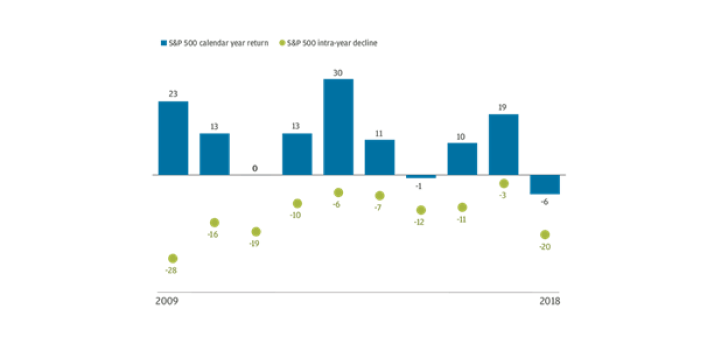
Market volatility picked up in September, prompted by higher oil prices and bond yields. In these market conditions, holding a well-diversified portfolio, consisting mostly of high-quality stocks with good growth prospects and cash flows, is a good recipe.
Empirical Research Partners note in their latest research: “Given the market’s valuation and momentum dynamic we’re staying off any limbs. We’re using health care to hedge technology and believe the financials are the beneficiaries of the Administration’s policies. We’ve reduced energy exposures and added software. The narrow valuation spreads of deep cyclicals are a reason to be cautious.”
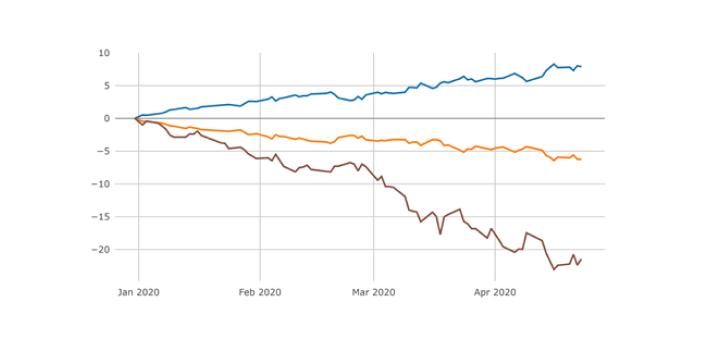
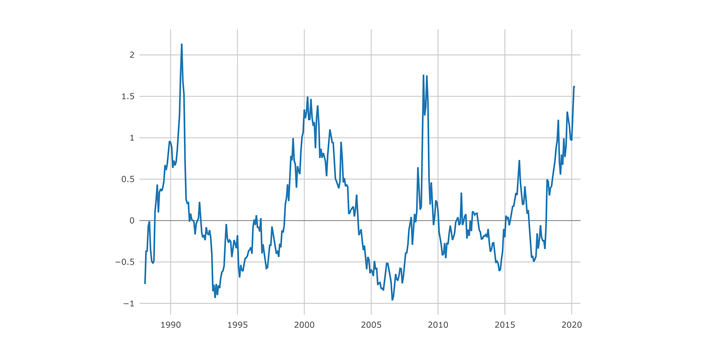
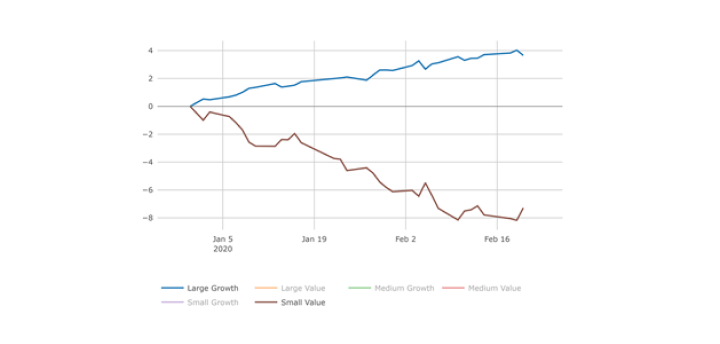
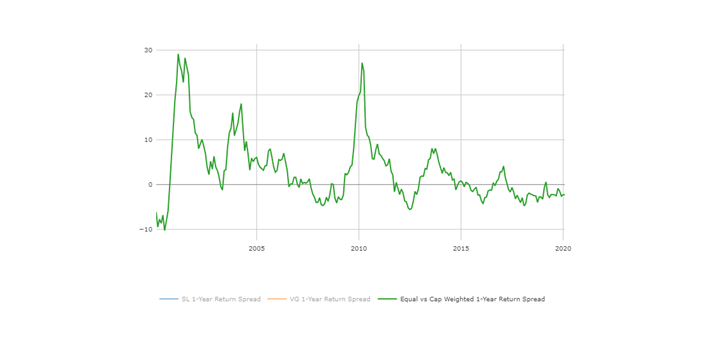
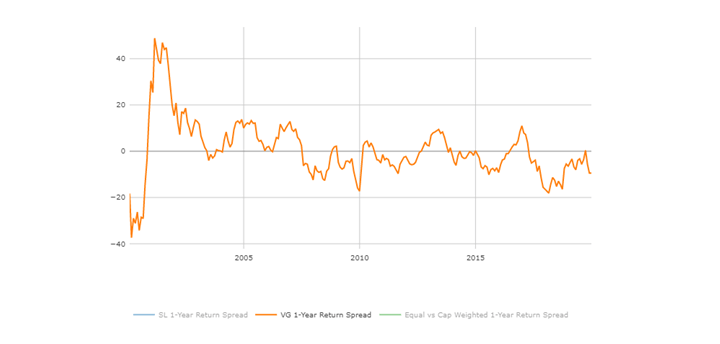
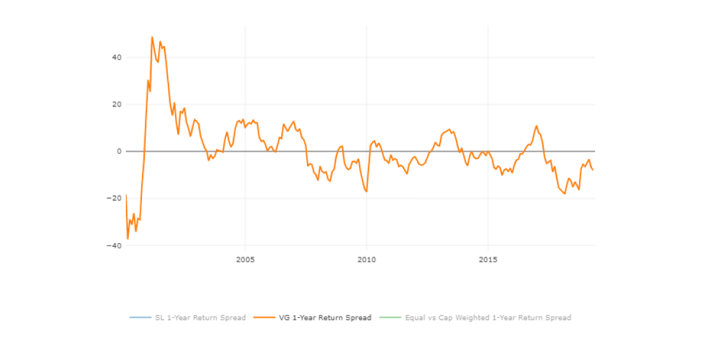
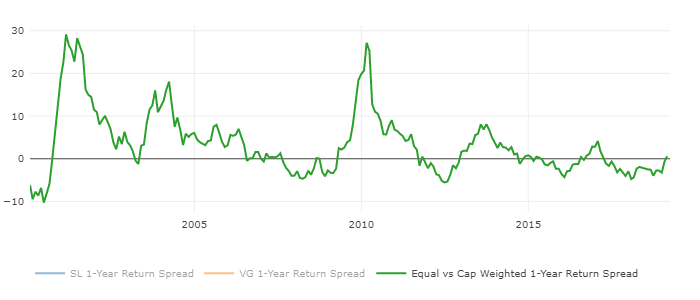
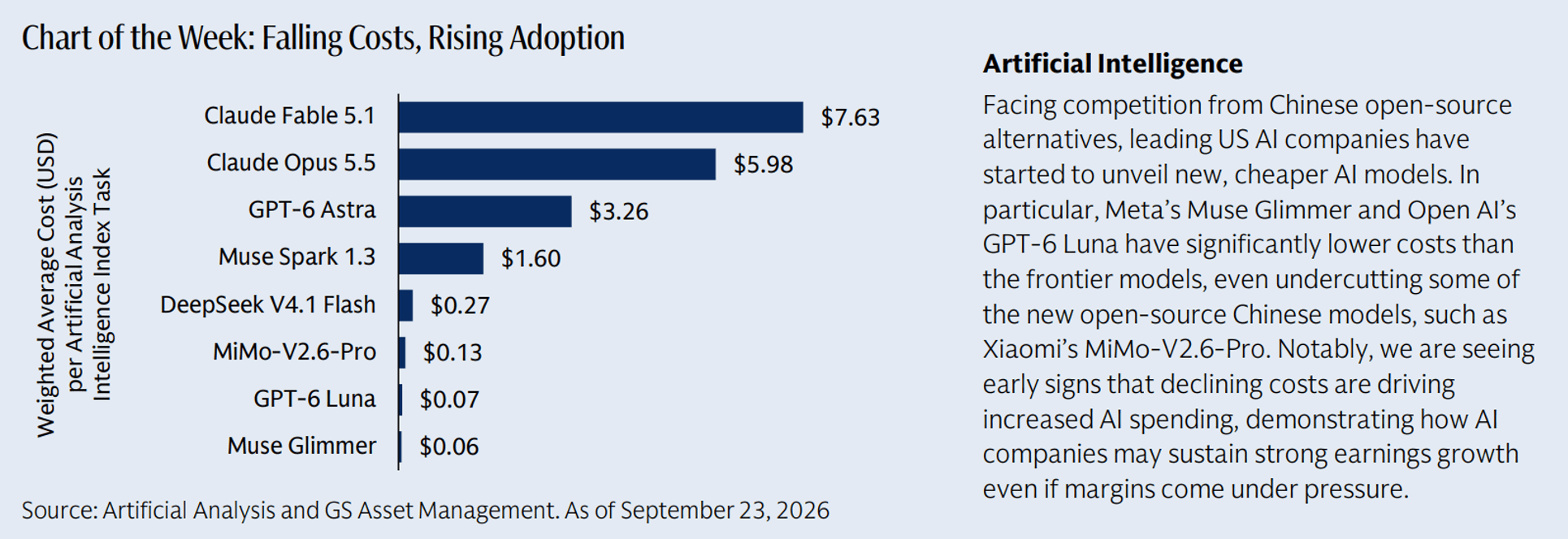
At Signet, we tend to agree that in the actively managed equity portfolios a barbell approach of holding the AI tech leaders and beneficiaries alongside deeper value plays makes sense. Very similar logic is followed by BlackRock in their broader asset allocation models recently. The largest manager in the world trimmed its exposure a bit to the momentum AI theme and bumped up the presence of broader market participants which are more likely to benefit from enormous AI investments going forward. Goldman Sachs supports that view as well. In the latest Market Monitor publication, the bank states that AI providers have no option but to lower token fees due to tough competition from open-source neuro networks and Chinese models:
The information and opinions included in this document are for background purposes only, are not intended to be full or complete, and should not be viewed as an indication of future results. The information sources used in this letter are: WSJ.com, Jeremy Siegel, Ph.D. (Jeremysiegel.com), Goldman Sachs, J.P. Morgan, Empirical Research Partners, Value Line, BlackRock, Ned Davis Research, First Trust, Citi research, HSBC, and Nuveen.
IMPORTANT DISCLOSURE
Past performance may not be indicative of future results. Indexes are unmanaged and investors cannot invest directly in an index. Diversification does not assure a profit or protect against loss.
Different types of investments and investment strategies involve varying degrees of risk, and there can be no assurance that their future performance will be profitable, equal to any corresponding indicated historical performance level(s), be suitable for your portfolio or individual situation, or prove successful.
The statements made in this newsletter are, to the best of our ability and knowledge, accurate as of the date they were originally made. But due to various factors, including changing market conditions and/or applicable laws, the content may in the future no longer be reflective of current opinions or positions.
Any forward-looking statements, information, and opinions including descriptions of anticipated market changes and expectations of future activity contained in this newsletter are based upon reasonable estimates and assumptions. However, they are inherently uncertain, and actual events or results may differ materially from those reflected in the newsletter.
Nothing in this newsletter serves as the receipt of, or as a substitute for, personalized investment advice. Please remember to contact Signet Financial Management, LLC, if there are any changes in your personal or financial situation or investment objectives for the purpose of reviewing our previous recommendations and/or services. No portion of the newsletter content should be construed as legal, tax, or accounting advice.
A copy of Signet Financial Management, LLC’s current written disclosure statements discussing our advisory services, fees, investment advisory personnel, and operations are available upon request.
Investment advisory and financial planning services offered through Summit Financial, LLC., a SEC-Registered Investment Adviser, doing business as Signet Financial Management. The views and opinions expressed in this newsletter are solely those of the author and should not be attributed to Summit Financial, LLC., a SEC Registered Investment Adviser.